Community projects · Game tools & local AI

I build game tools, local AI systems, and the software that connects them.

Steppe Integrations is Derek Ciula's independent software studio for player-created worlds, distributed gaming communities, and difficult integration problems.

The connecting thread is lateral thinking: components deliberately built for integration and integration testing become useful building blocks for the next idea. I use AI-assisted implementation, hands-on testing, and more than twenty years of production systems experience to make those connections work.

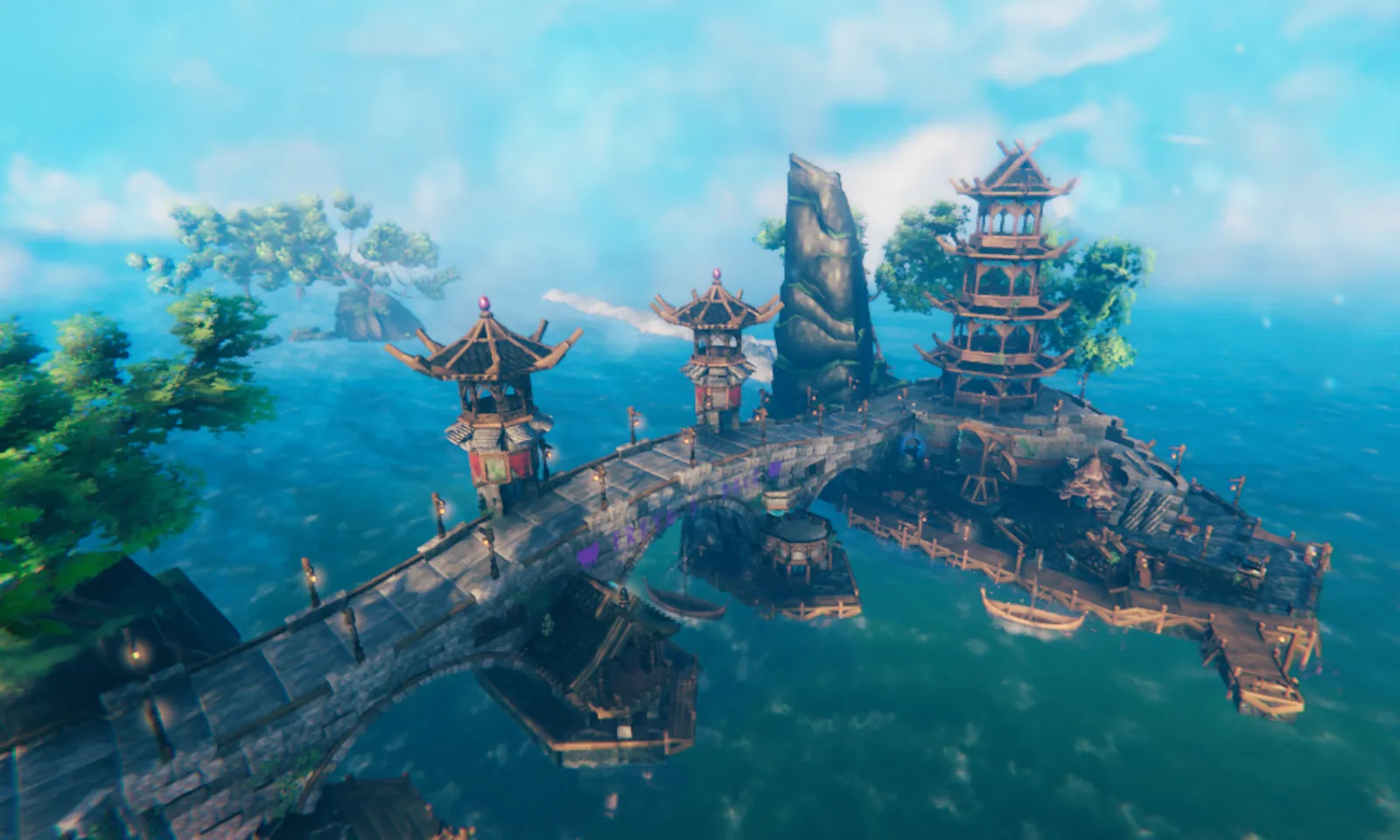
Grand arched stone bridge and multi-tier pagoda fortress spanning turquoise ocean waters in a player-built Valheim world
An automated photograph of a player-built Valheim world. The system chose the camera and the hour. Sky Island (8,026 pieces) · What people built →

Selected systems & tools

Made for a world someone cares about.

A campaign to run. 8 million objects to explore. Netcode to rebuild. A community's buildings to photograph. Local compute to put to work. These are the systems behind the studio.

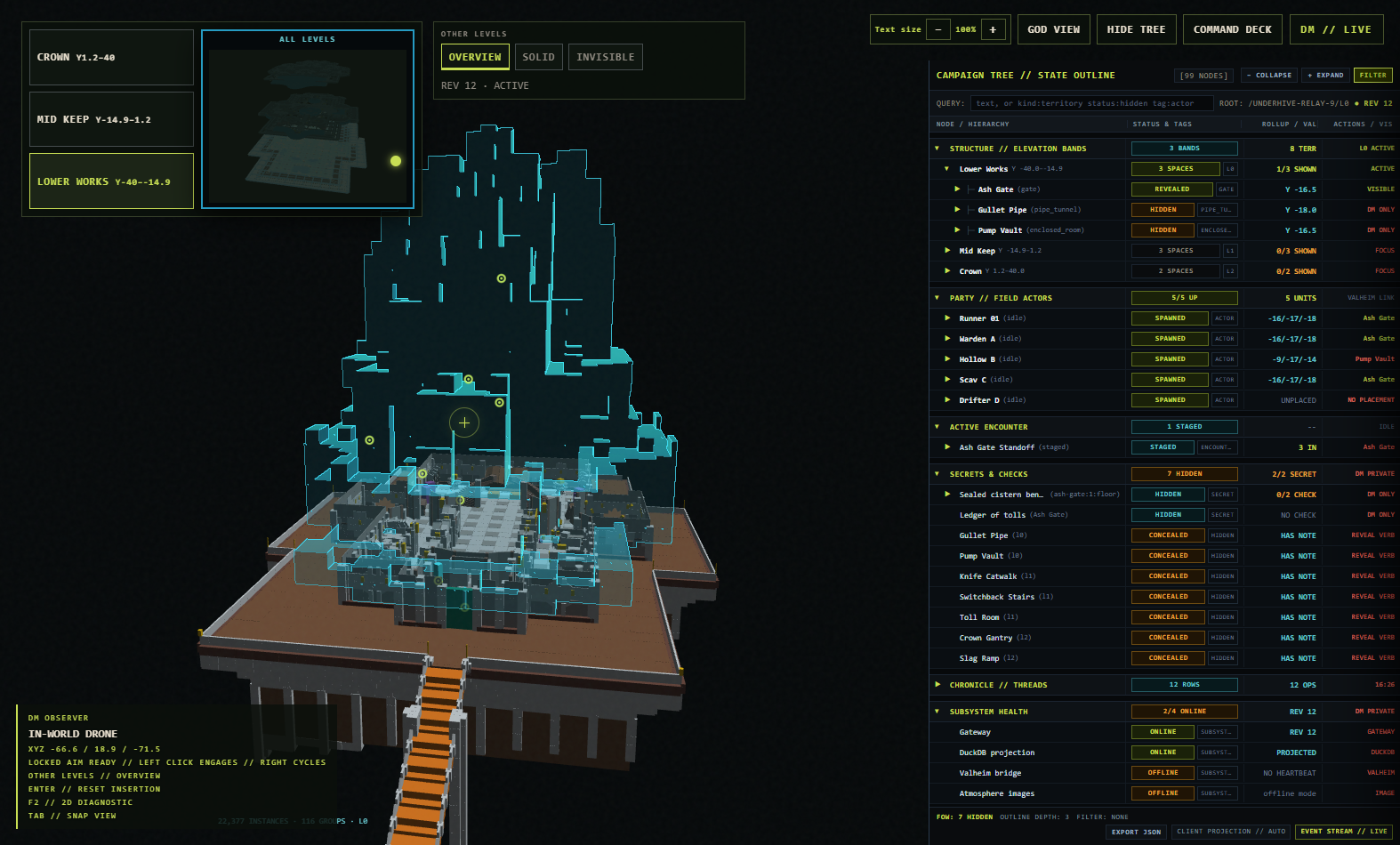
DMos operator cockpit rendering 22,377 instances in WebGL2 with floor controls and campaign tree
01 / Spatial Computing · Integration-tested building blocks

DMos

A local-first spatial Dungeon Master operating system connecting three-dimensional building geometry, campaign truth, an embodied game simulation, and optional AI atmosphere.

A friend tried the PoC from their own computer less than 24 hours after the idea. The spatial viewer, world extraction, game controls, and local AI components already existed; the new work was connecting them and building a Dungeon Master's interface around them.

The PoC renders 22,377 instances at 60 FPS in dependency-free WebGL2 with 94.3% geometric compression and 17/17 automated acceptance checks passing. The short turnaround rests on the integration and testing invested in those building blocks beforehand.

Friend-tested PoC <24h 22,377 Instances @ 60 FPS 94.3% Geometry Compression 17/17 Green Gates
See how DMos came together →

Operator view from a browser rehearsal of the demonstration fixture.
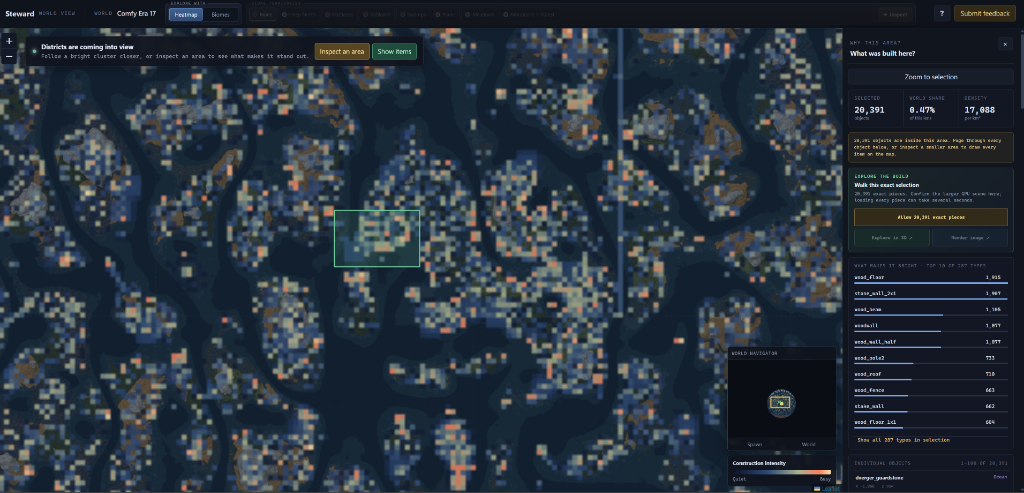
Steward World View plan browser showing heatmap, district selection of 20,391 objects, and density analytics
02 / High-Scale Spatial Analytics · Live on AM4

The 8-Million Object Plan Browser

Reverse-engineered the binary save format of an active 1.1GB multiplayer world, streaming all 8,016,512 ZDOs in ~3.3 seconds while staying under 200MB heap.

Stitches high-resolution raster terrain renders with CSS plan browsing to display 8 million data points with zero interactive lag. Visitors can inspect construction heatmaps, elevation contours, and query exact container inventories and sign texts via in-memory DuckDB caches.

8,016,512 ZDOs 3.3s Streaming Parse DuckDB In-Memory Sub-200MB Heap
Explore the live Era 17 map →
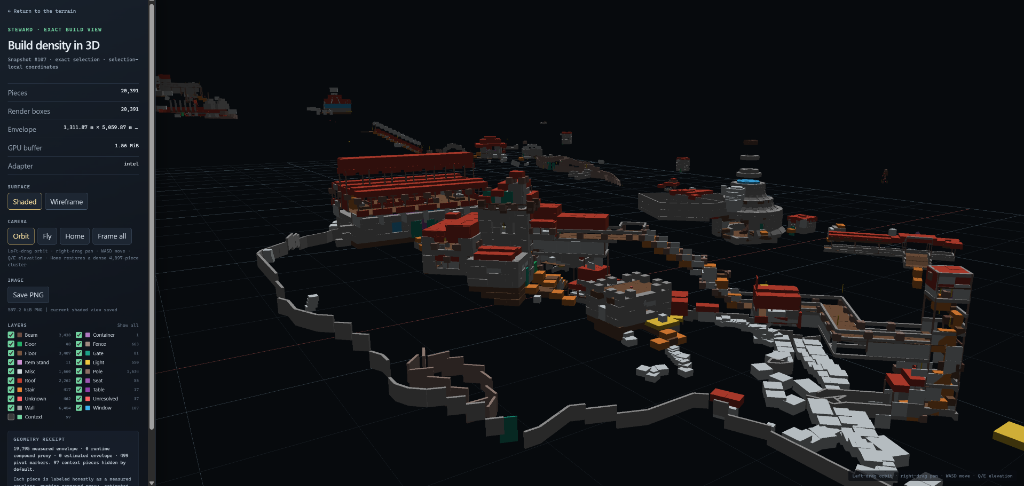
Steward 3D build view rendering 20,391 instanced architectural pieces in WebGL with layer breakdown and GPU buffer telemetry
03 / Real-Time WebGL Rendering · Spatial Pipeline

3D WebGL Build Density View

Direct WebGL export pipeline turning selected 2D map districts into full 3D interactive scenes. Renders 20,391 architectural pieces (timber beams, stone walls, roofs, gates) at 60 FPS inside a 1.86 MiB GPU buffer.

Features classified layer filtering, wireframe/shaded toggles, Intel GPU acceleration, and free-fly camera controls directly in the browser—serving as the foundational spatial pipeline for DMos.

20,391 Instanced Pieces 1.86 MiB GPU Buffer 60 FPS WebGL Zero-Drop Mesh Export
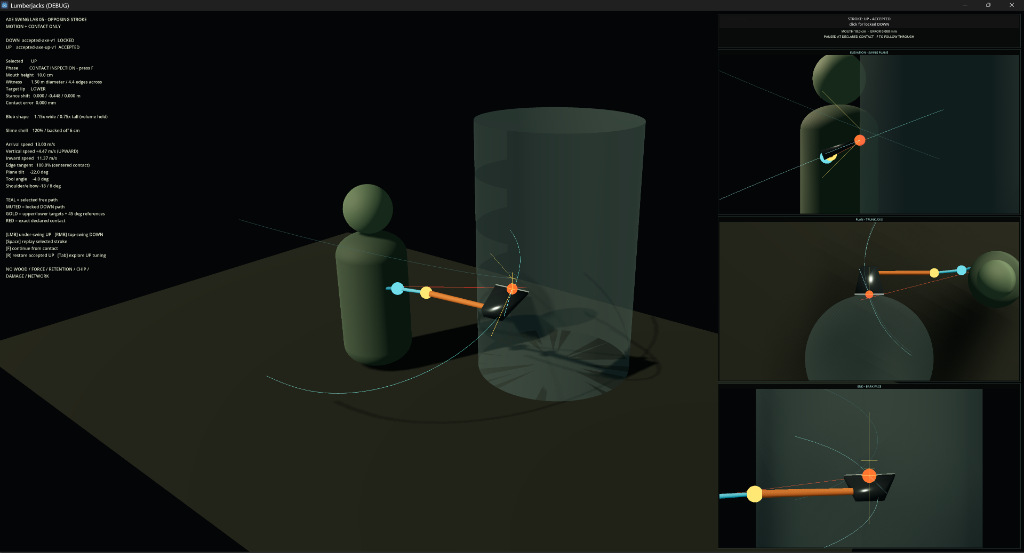
Related Lumberjacks Godot simulation harness showing axe swing planes and contact timing; not a capture of the GCP cutover
04 / Netcode Modernization & Observability

Lumberjacks & NetworkSense

Lumberjacks took Valheim networking through a fully remote GCP cutover. Getting there took weeks of demanding integration and multiplayer testing, including hands-on player sessions as well as automated harness work.

Validated remote cutover; demonstration environment subsequently wound down.

  1. First pass · AM4. I started with local validation on AM4.
  2. Final remote cutover · GCP. I drove OMEN and i5 as players against the fully remote deployment.
  3. Lower adoption requirements. I rolled AM4 back to develop standalone mods that did not require testers to adopt Lumberjacks first, widening the pool of testers.
  4. Cost-aware wind-down. After proving the system, I rolled back or shut down GCP to control costs while building the surrounding tooling ecosystem.
  5. What this enables · Self-hosted multiplayer. A networking foundation I can distribute at no charge and run in Docker containers, with netcode I can customize for a game's needs. That gives future projects a path to turnkey multiplayer with control of the networking underneath. Redistribution and production-use terms apply; hosting costs are separate.

That integration work became reusable foundations for the tools that followed. Alongside it, NetworkSense made owner and network behavior visible in-game, with 166 passing xUnit tests in the extracted project.

Historical GCP validation 20Hz Server-Auth 84–96% Compression 166 xUnit Tests

Earlier receipt: July 21, 2026 · single-client primary-delivery acceptance. This documents an earlier window, separate from the final OMEN/i5 session described above.

Image: related Godot simulation harness, not a capture of the GCP cutover.

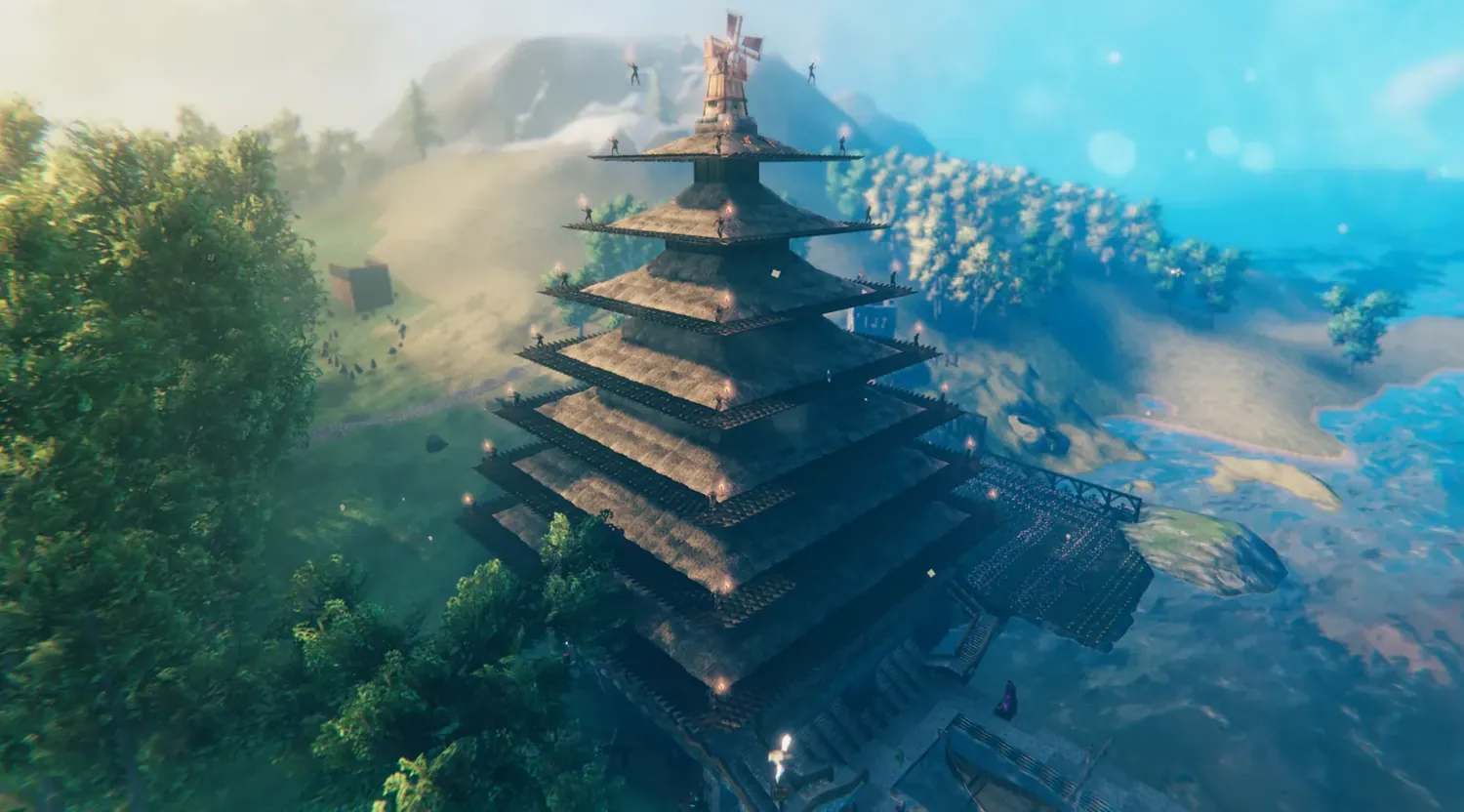
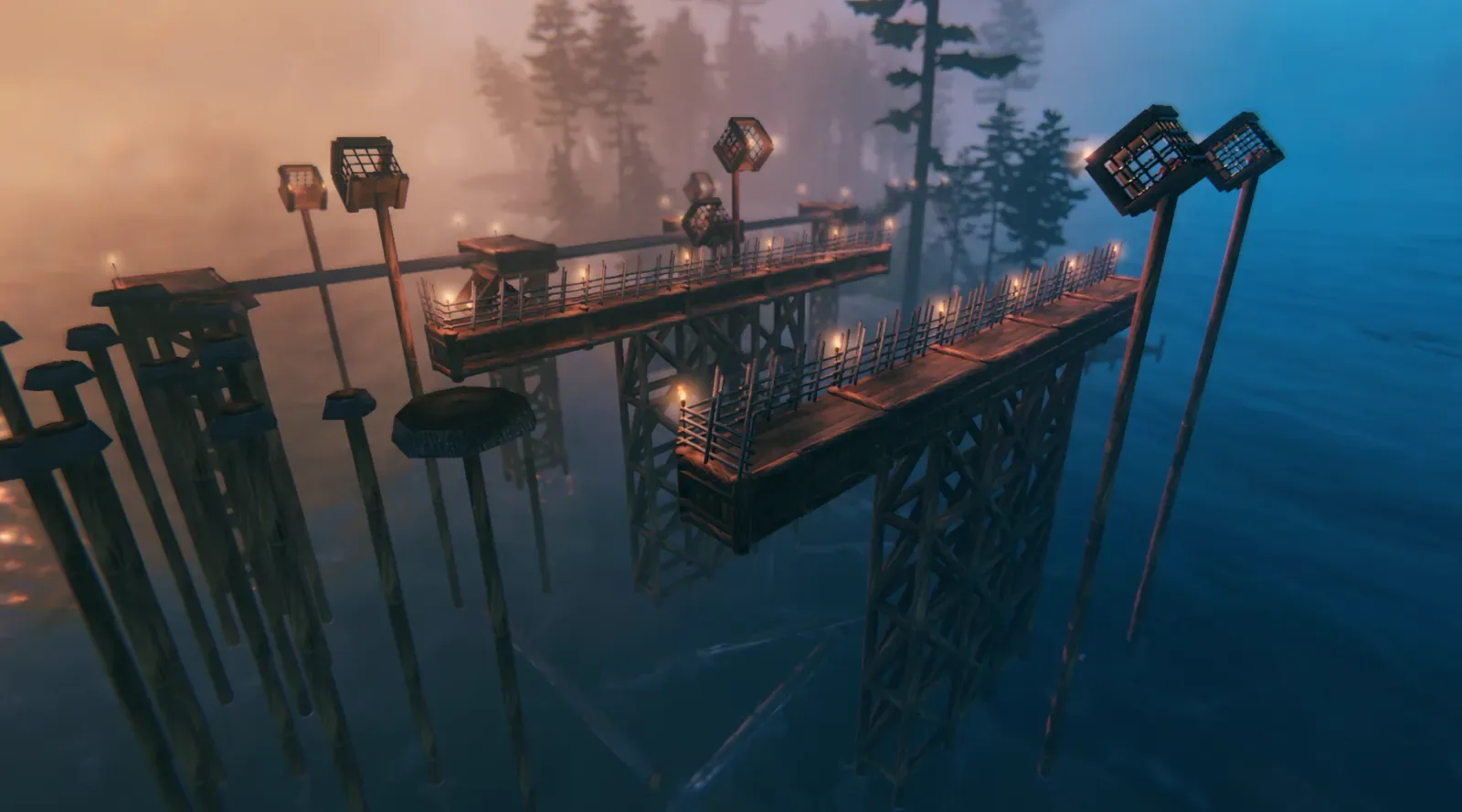
An automated aerial photograph of a many-tiered Valheim building rising above the trees
05 / World photography · Published field series

A world worth looking at.

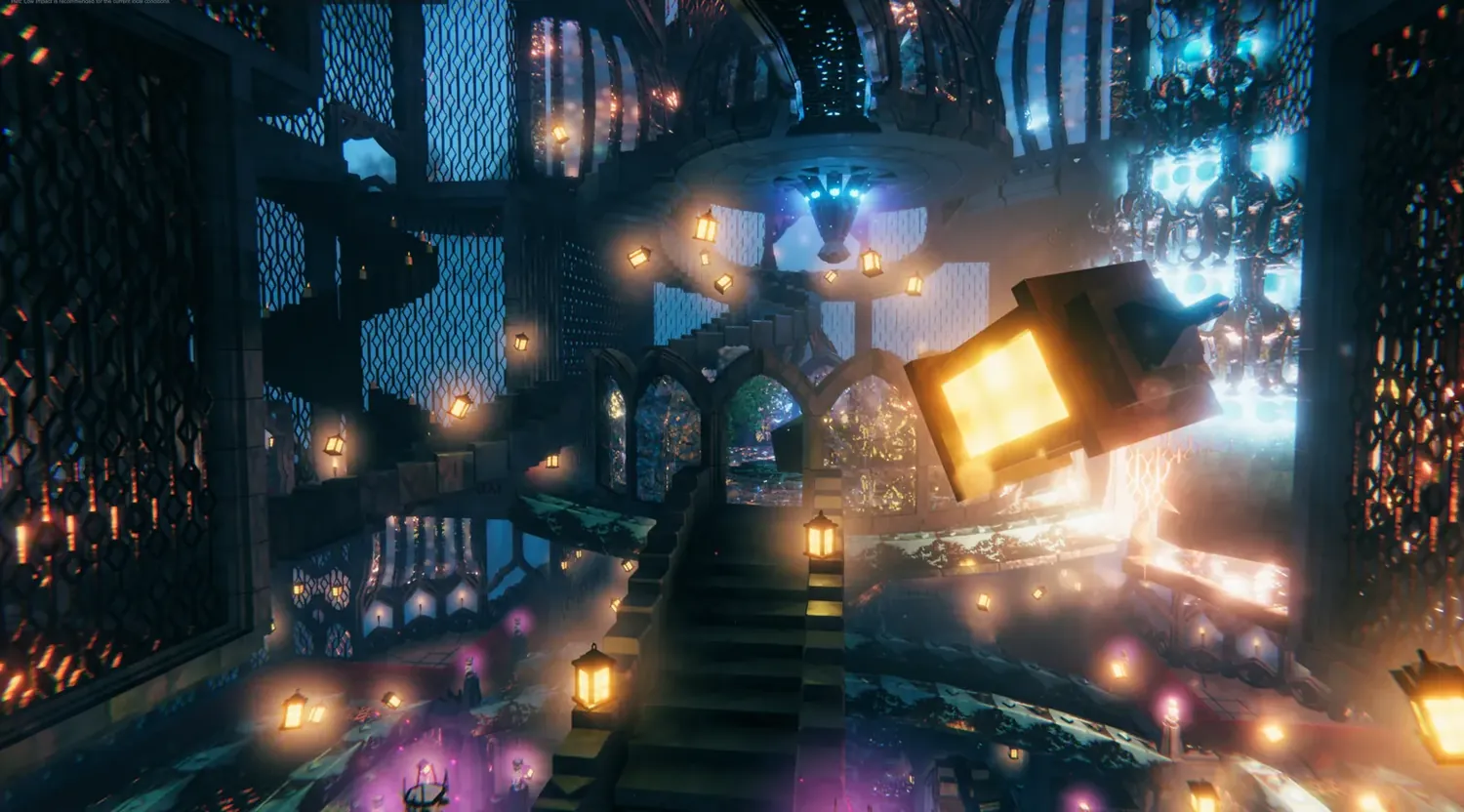
Selfie-stick turns a world save into camera positions, automated orbit captures, interior scans, and a reviewable gallery. The series follows it from aerial views to interiors and the light the builders left behind.

People have since asked me to make galleries for other worlds. If you have one in mind, I'd like to hear about it.

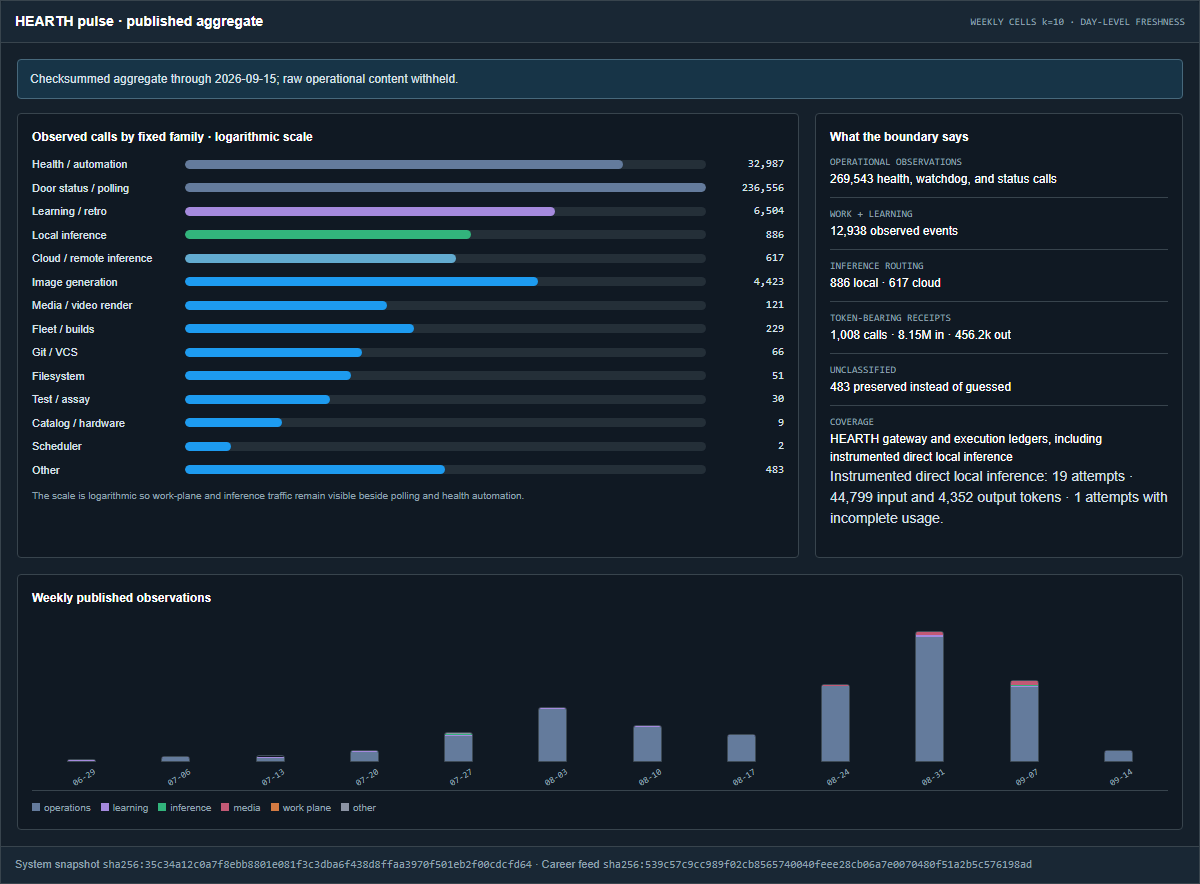
HEARTH's released evidence console, showing an operational aggregate and its coverage
06 / Local AI · Working infrastructure

Local AI with work to do.

HEARTH and CommandCenter connect models, tools, and hardware into an air-gapped generation and orchestration cluster powered by dual Intel Arc Pro B70 discrete GPUs (64GB VRAM). Zero cloud dependencies, zero external data leakage.

Features tested dual B70 model rotation, KV-cache preservation, 117/117 zero-failure image synthesis runs (producing a 325-work public art gallery), and a complete 21-minute two-voice technical audio podcast with full show bible. The lab keeps the measurements and corrections available to inspect.

Dual Intel Arc B70s (64GB) llama-swap Rotation 117/117 Runs Complete 325-Work Gallery 21-Min Audio Cast
See local AI in use →

Bring me your world or workflow

Something useful, built around your problem.

I take on selected custom projects. We start with the result you need, find the part that needs proving, and agree on a bounded piece of work.

The person behind the work

I'm Derek. I like making the pieces work together.

Games give me living systems to care about. Local AI gives me new tools to work with. Building software is how I bring them together.

I've spent more than two decades building and modernizing production systems in distributed architectures and fintech rails (100M+ daily APIs, billions of monthly identity events). That discipline carries directly into this work: identity, integration, recovery, and binary contracts the next person can trust.

I make complicated systems tell the truth about how they work. The main evidence console holds the measurements, operating evidence, and a recovery replay. Systems Without a Department follows the community work.

More about Derek →

Start a project

What are you trying to make possible?

A gallery for your world, a tool your community needs, or a workflow ready for local AI. Tell me what you're working with.

Describe your world or workflow, the result you want, your timing, and an approximate budget if you have one. I'll help identify a useful starting point. Scope and pricing are discussed individually.

derek@steppeintegrations.com

I work from Pacific Time.